Rwanda plans a major investment in solar energy
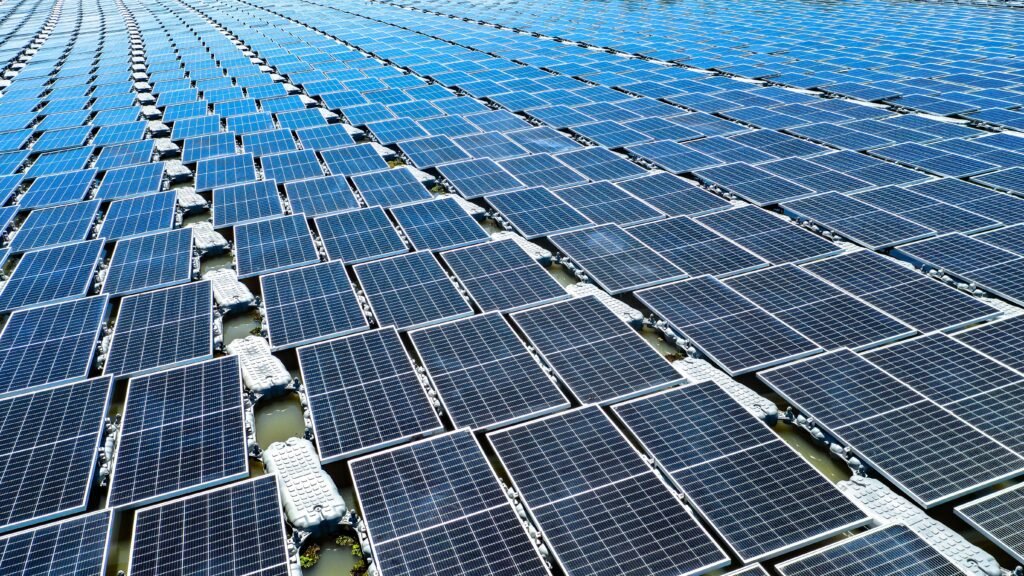
Lake Sake, where the large-scale power plant is planned, is located in Ngoma District in eastern Rwanda. The planned facility is expected to have a capacity of 200 MW and be equipped with an energy storage system with a capacity of 800 MWh. The project also includes the infrastructure needed to connect the power plant to the grid.
The scale of the project is significant in the context of Rwanda’s energy sector development. However, expanding generation capacity is only part of the challenge. It is equally important to ensure that the electricity produced can be efficiently transmitted and used by households and businesses. This could prove to be the greatest challenge facing the entire project.
Rwanda is therefore seeking a solution that brings together three elements: electricity generation, energy storage, and delivery to consumers. The way these elements work together will determine the project’s practical effectiveness and economic viability.
Energy storage could improve the reliability of electricity supplies
It is worth noting that solar power has a significant limitation: electricity generation depends on sunlight. A solar power plant can generate substantial amounts of electricity during the day, but production falls after sunset, while demand from households and businesses continues. The energy storage system planned for the Rwandan project would allow some of the electricity generated to be stored and fed into the grid at a later time.
For this project, the planned storage capacity is 800 MWh. In theory, this would be equivalent to four hours of operation at a constant output of 200 MW. However, the system’s actual performance would also depend on factors such as battery specifications and condition, overall system efficiency, and energy management practices.
For a potential investor, this presents additional opportunities, but also extra costs. Energy storage increases the usefulness of solar power by making electricity available when generation falls, but it also requires financing, maintenance, and planning for the eventual replacement of batteries.
A Project with Significant Potential
The floating solar power plant on Lake Sake could become an important part of Rwanda’s energy development and create opportunities for private investors to participate in the regional infrastructure market. For now, however, the project is still seeking an investor or development partner. It is not yet an operational power plant with a confirmed commissioning schedule.
Ultimately, the greatest benefit for Rwanda could be not only an increased share of renewable energy in its energy mix, but also more reliable electricity supplies and better conditions for further economic development.