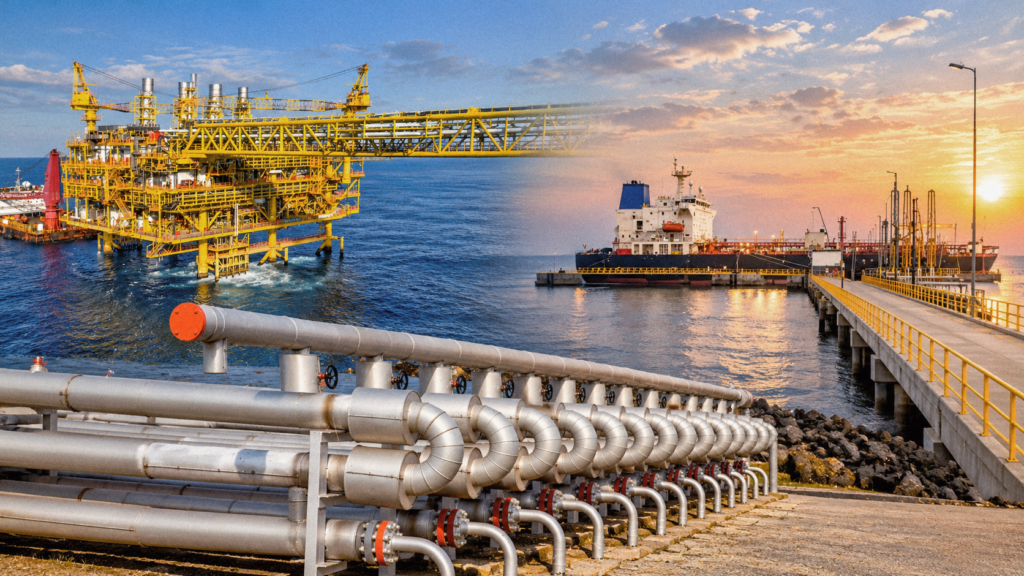
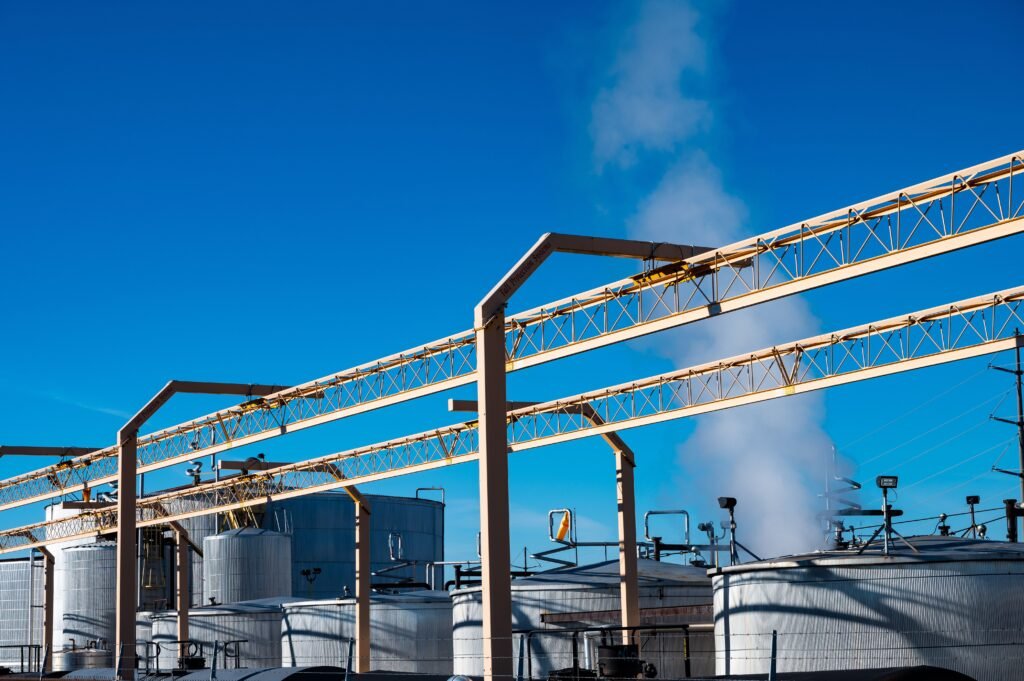
The new gas project aims to connect Mozambique with the South African market
The project involves developing gas infrastructure in Beira and Inhassoro. Plans include floating storage and regasification units (FSRUs) for liquefied natural gas (LNG), as well as approximately 140 kilometres of pipeline that would connect the new facilities to the existing ROMPCO transmission system. This network transports natural gas from Mozambique to the Secunda industrial complex in South Africa.
ENH chief executive Rudêncio Morais told Reuters that the company was in talks with potential partners, including South African energy and chemicals group Sasol and gas transmission company ROMPCO. The aim is to have the infrastructure operational by 2030 or 2031. However, the investment has not yet received final approval, and its financing remains uncertain.
The project could help address South Africa’s future gas supply challenges
The significance of the planned investment extends beyond Mozambique itself. According to the International Energy Agency (IEA), around 80% of the gas produced at the Pande and Temane fields is exported to South Africa through the ROMPCO pipeline, while the remaining 20% supplies Mozambique’s domestic market. This existing pipeline already links the two countries’ gas markets.
Production from the Pande and Temane fields could decline in the coming years. For South Africa, where natural gas is used in industry and other sectors, securing reliable supplies could therefore become an increasingly important challenge. The proposed infrastructure could provide an additional route for gas deliveries and improve flexibility in the regional market.
For Mozambique, the project also presents an opportunity to strengthen its position in regional energy trade. The country has substantial natural gas resources, particularly in the Rovuma Basin, where major liquefied natural gas projects are under development. Expanding the gas network could help Mozambique supply neighbouring countries as demand evolves. The project is being considered at a time of continued uncertainty in global energy markets.
The investment is an opportunity, but not a guarantee of success
New resources and infrastructure could deliver lasting economic benefits. Realising these benefits, however, will require more than building a pipeline. Reliable gas supplies and competitive prices will be essential to the project’s success. Binding agreements with partners, secured financing and sufficient demand for gas will also be necessary.
Mozambique must also balance natural gas exports with the needs of its domestic economy. As the country’s economy grows, so does its demand for energy. Ensuring that gas development benefits domestic consumers while supporting exports will therefore remain an important challenge.
If the project overcomes these challenges and moves ahead, it could strengthen Mozambique’s position as an energy supplier to Southern Africa.